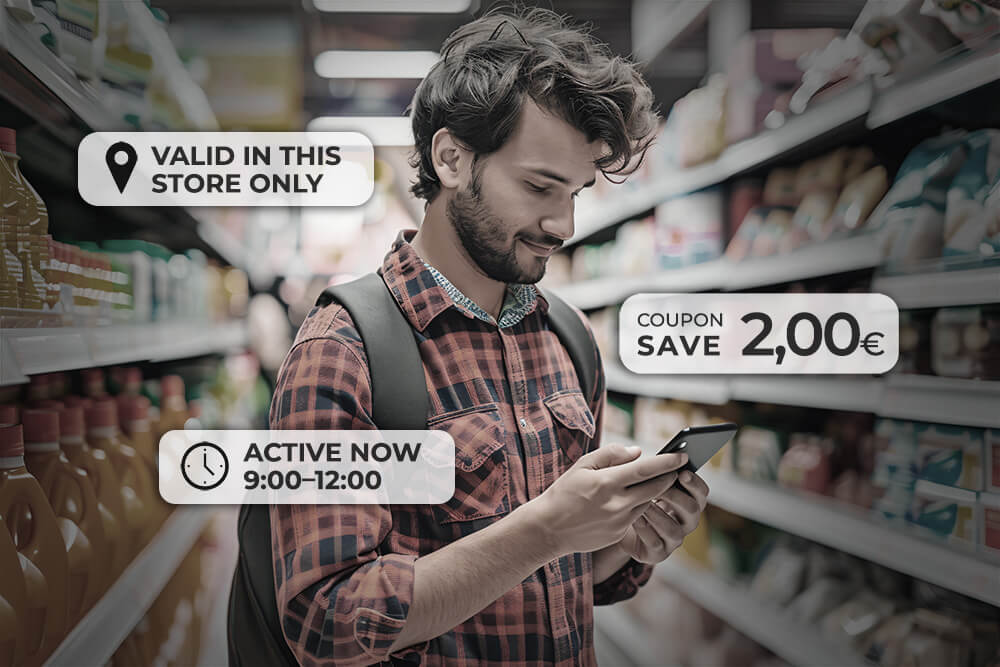
The gift card industry has entered one of the most transformative phases in its history. What began as a primarily plastic, point-of-sale driven product has evolved into a fully digital ecosystem where value is created, delivered, and redeemed instantly. This shift is not only a technological upgrade, yet it reflects deeper changes in consumer expectations, retailer strategies, and sustainability commitments. Today, digital gifting is at the intersection of innovation, convenience, and environmental responsibility, redefining how consumers engage with brands and how brands design their value-added services.
The decline of plastic: a structural shift
For decades, plastic gift cards served as the dominant gifting format. They were tangible, brandable, and deeply integrated into traditional retail environments. However, the limitations of plastic quickly became evident as digital habits evolved. Production and logistics generated environmental impact, inventory management consumed resources, and distribution cycles slowed down promotional agility.

The industry now recognizes that plastic cards are increasingly misaligned with modern consumer behaviors. Online shopping, on-demand services, and the rise of app-based ecosystems have made digital alternatives not just preferable but expected. Retailers who continue to rely heavily on plastic formats face higher operational costs, longer time-to-market, and lower scalability.
Why digital gifting is winning
Digital gift cards (eGifts, eVouchers) represent a new generation of value transfer—instant, flexible, and hyper-efficient. Their core strengths explain the rapid global adoption:
As digital ecosystems mature, the ability to integrate gift cards into loyalty programs, cash-back engines, and marketing automations becomes a key strategic advantage for both retailers and B2B distributors.
Sustainability as a driver—not just a benefit
What began as a technological evolution has increasingly become a sustainability imperative. The shift from plastic to digital has allowed industry to dramatically reduce:
- the production of PVC or PET cards, usually destined for landfill
- carbon emissions linked to transport and distribution
- waste generated by unsold physical inventory
- packaging materials (carriers, blister packs, envelopes)
Retailers today position digital gift cards as part of their ESG commitments. Consumers, especially younger generations, are consciously choosing brands that demonstrate environmental responsibility. For many companies, replacing plastic with electronic formats is one of the simplest and most visible sustainability actions they can take—one that also brings measurable operational savings.
What retailers and distributors have learned from the transition
The shift to digital has generated a set of best practices that the industry increasingly shares and replicates:
- API-driven processing is now essential
Modern gift card platforms must support real-time issuance, activation, and redemption via API. This ensures integration with e-commerce, mobile apps, loyalty systems, and external B2B partners. - Fraud prevention must evolve
Digital formats reduce certain types of fraud but introduce new threats (phishing, account takeover). Multi-layer authentication, secure issuance tokens, and behavioural monitoring are now industry standards. - Branding matters more than ever
In digital environments, micro-design—the look of the eGift card, email template, redemption page—significantly impacts conversion and customer satisfaction. - B2B channels dominate growth
Corporate rewards, employee benefits, and digital incentive programs now drive a large portion of the industry’s volume. Digital cards allow instant delivery in bulk, automated reporting, and seamless reconciliation. - Customer education reduces friction
Early adopters learned that clear UX, simple redemption instructions, and wallet compatibility greatly reduce customer service issues. Digital gifting succeeds when it feels intuitive. - The future: from digital cards to digital value ecosystems
The transformation is far from over. Gift cards are increasingly merging with other forms of digital value—credits, vouchers, loyalty points, refunds, store credit, cashback, and promotional incentives. In this emerging landscape:
- the form matters less than the function,
- consumers expect a unified experience across channels,
- retailers seek end-to-end platforms capable of managing multiple value types with transparency and control.
In many markets, the gift card is no longer just a product—it is becoming a strategic infrastructure underlying customer engagement.
Conclusion
The journey from plastic to digital gift cards represents one of the most successful sustainability transitions in retail. It delivers measurable benefits to consumers, brands, and the environment, while opening the door to entirely new ways of creating and distributing value. As the industry continues to innovate, the organisations that embrace digital-first, data-driven, and API-connected ecosystems will shape the future of gifting—one in which the concept of a “gift card” becomes just a gateway to broader digital value experiences.
About the Author: Karol Ziolkowski